Answer engine optimisation and AI ad creative are reshaping digital strategy. Here's what the latest research means for Southeast Asian marketing teams.
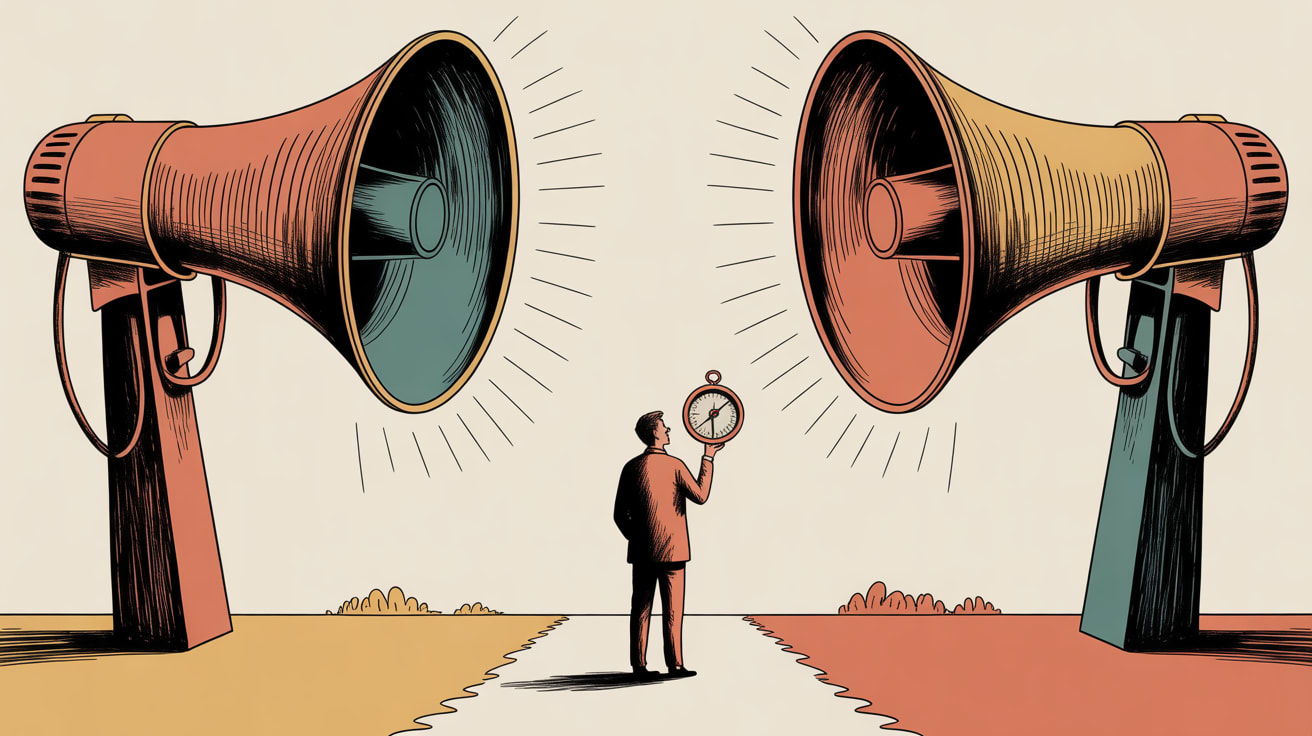
The consensus view of digital strategy in 2026 still looks a lot like 2023 with better tools bolted on. But two converging shifts — how AI systems surface content, and how AI systems generate creative — are quietly rewriting the rules for brands willing to pay attention before the crowd catches up.
AEO Is Not SEO With a New Name
The HubSpot State of AEO 2026 report, cross-referenced with Wix Studio’s AI Search Lab research, makes something clear that most content teams haven’t fully processed: answer engines don’t just reward authority, they reward structure. The content formats most consistently cited by AI systems are definitional content (clear, bounded explanations of what something is), step-by-step how-to formats, and data-backed comparisons — not long-form thought leadership or brand narrative.
For Southeast Asian marketing teams, this has an immediate tactical implication. Much of the region’s digital content output skews toward campaign-driven storytelling that performs well on social but is structurally invisible to AI answer engines. A brand producing content for Grab’s ecosystem or Lazada’s search layer needs to think about how that content gets parsed by an LLM, not just how it performs in a social feed. The practical starting point: audit your top-traffic pages and identify which ones answer a specific question with a clear, extractable response. Those are your AEO assets. The rest are something else.
The Ad Creative Volume Problem Is Real — and AI Solves a Specific Part of It
Meta’s algorithm now requires a level of creative variation that most brand teams weren’t staffed to produce even three years ago. Social Media Examiner’s Michael Stelzner outlines a three-step system that’s worth taking seriously: start with a human-defined creative brief and clear brand guardrails, use AI to generate volume across formats (static, video, carousel), then apply human judgment at the selection and refinement stage.
The key insight here isn’t that AI replaces creative teams — it’s that AI removes the bottleneck that was preventing proper creative testing. A mid-sized brand in the Philippines or Thailand running paid social on a lean team was previously forced to run three or four creative variants. With AI-assisted production, running 15–20 variants to let the algorithm find signal is operationally feasible. That’s not a creative quality story, it’s a media efficiency story. Brands that understand this distinction will allocate AI investment more intelligently than those treating it as a cost-cutting exercise.
What the UK Advertising Export Boom Signals for the Region
The UK Advertising Exports Group reporting £19.4 billion in advertising exports — and launching an international campaign to amplify that positioning — is easy to read as a European story. But there’s a signal worth extracting for Southeast Asian markets: the global demand for sophisticated advertising capability is accelerating, and regions with established creative infrastructure are actively competing for that demand.
For brands in Southeast Asia, this raises a strategic question that doesn’t get asked enough: are you building internal capability that compounds, or are you outsourcing in ways that keep you permanently dependent? The UK’s export story is built on decades of accumulated creative and strategic IP. Southeast Asian agencies and brand teams are increasingly capable of the same, but the investment logic has to shift from project-by-project to capability-building. The brands that will lead in this region over the next five years are those treating their marketing function as a proprietary asset, not a cost centre.
Connecting the Dots: A Unified Strategic Frame
These three signals — AEO content structure, AI creative production, and the globalisation of advertising capability — aren’t separate trends. They’re converging around a single underlying dynamic: the margin between brands that understand how AI systems work and those that don’t is widening faster than most strategy cycles can absorb.
In practical terms for a Southeast Asian digital team: your content architecture needs to be redesigned for extractability, not just readability. Your paid social creative pipeline needs volume infrastructure, not just quality control. And your capability investments need a longer time horizon than the next campaign. The brands reading these signals now — and acting on them before they become category orthodoxy — will find the competitive gap much easier to open than to close.
Key Takeaways
- Audit existing content assets specifically for AEO compatibility — definitional, how-to, and data-comparison formats are the citation-earning formats AI systems favour.
- Reframe AI ad creative as a media efficiency tool, not a creative replacement — the real gain is running 15–20 variants where you previously ran four.
- Treat marketing capability as a compounding asset: the brands investing in structured content and scalable creative infrastructure now are building moats, not just campaigns.
The deeper question for growth leaders across Southeast Asia is this: how much of your current digital strategy was designed for systems that AI is in the process of displacing? The answer to that question probably determines how urgent the next 90 days should feel.
At grzzly, we spend a lot of time in exactly this space — helping brand and marketing teams across Southeast Asia read the early signals and build strategies that hold up as the platform landscape shifts. Whether it’s restructuring content for AEO, building AI-assisted creative workflows, or thinking through capability investments for the next cycle, we’re working through these questions with clients right now. Let’s talk
Sources

Written by
Mystic GrizzlyReading the early signals — in consumer behaviour, platform mechanics, and competitive positioning — before they become the consensus. Writing for practitioners who want to act ahead of the curve.