HubSpot's agent-first GTM model signals a fundamental shift in how growth teams operate. Here's what Southeast Asian marketers need to understand and act on.
Yamini Rangan doesn’t write think pieces for sport. When HubSpot’s CEO publishes a detailed account of how the company rebuilt its go-to-market motion around AI agents, the marketing industry should probably pay attention — even if, especially if, your first instinct is to assume it doesn’t apply to you.
It does. And the implications run deeper than most growth teams are currently treating them.
What Agent-First GTM Actually Means in Practice
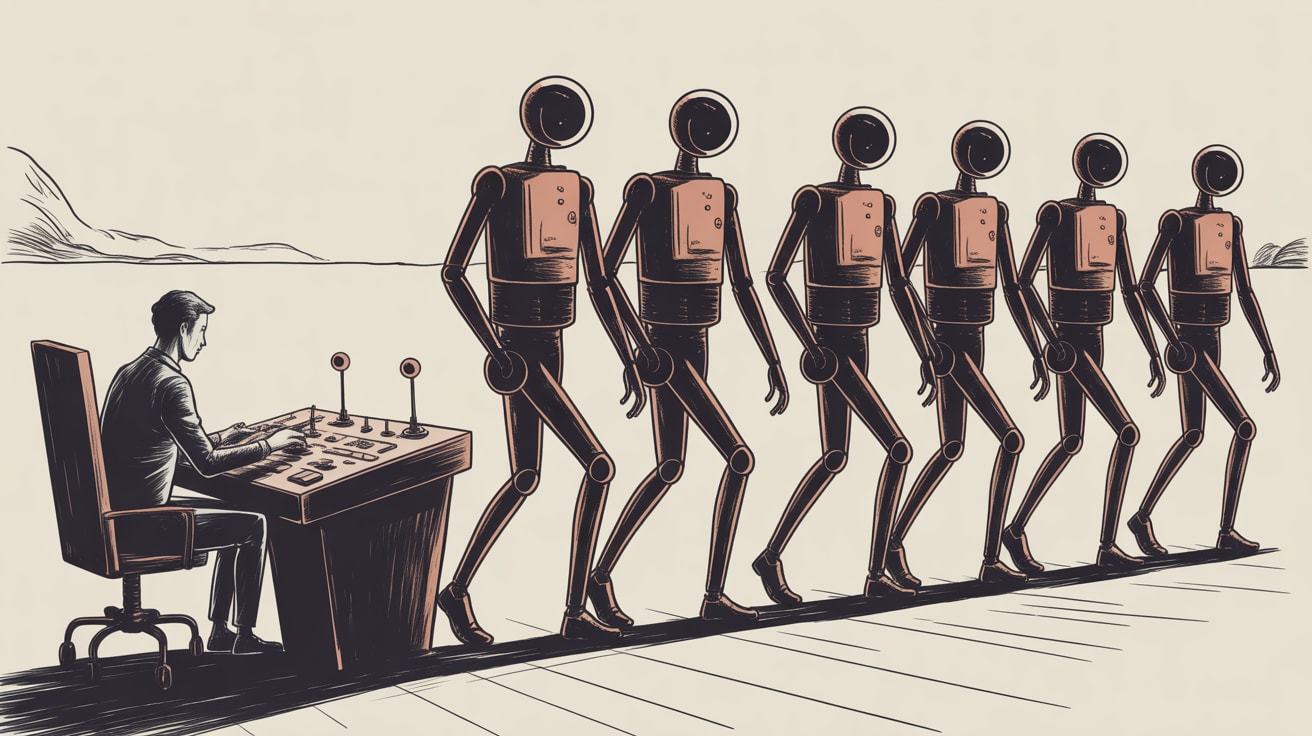
The phrase sounds like vendor marketing until you unpack what HubSpot is describing. Writing on the HubSpot blog, Rangan outlines a model where AI agents aren’t assistants bolted onto existing workflows — they’re participants in the GTM system itself, handling prospecting sequences, qualifying inbound signals, personalising outreach at scale, and feeding learnings back into the strategy loop.
The critical distinction: agent-first GTM means designing the motion for what agents can do well, rather than asking agents to approximate what humans used to do manually. HubSpot reports that this shift meaningfully changed how their sales and marketing teams allocate time — less execution, more judgment calls on the signals agents surface.
For Southeast Asian growth teams, the practical translation is immediate: if your CRM workflows, lead nurture sequences, and content distribution are still structured around human throughput limits, you’re operating with an architecture mismatch. The constraint has changed. The playbook hasn’t.
The Long Influencer Game — and Why Agents Can Support It
Sprout Social’s Jasmine Williams makes a case that’s quietly subversive: the highest-ROI influencer relationships aren’t campaigns, they’re ongoing commercial partnerships built over years. The beauty YouTuber who reaches for the same foundation in every video isn’t doing a sponsored post — she’s a brand signal that compounds across thousands of pieces of organic content.
This isn’t a new observation, but the strategic implication is underused. Most Southeast Asian brands — particularly in beauty, F&B, and lifestyle — still structure influencer spend as campaign bursts around product launches or 11.11. The result is high cost-per-collaboration with limited brand residue once the content cycle ends.
The connection to agent-first thinking: sustaining genuine long-term creator relationships requires consistent communication, content briefing, performance monitoring, and relationship management at a cadence most brand teams can’t maintain manually across 15–20 active partnerships. AI agents — particularly those with memory and task-management capabilities — are well-suited to handling the operational layer, freeing human relationship managers to focus on the creative and strategic dimensions that actually differentiate a partnership.
The Operational Infrastructure Nobody Talks About
Social Media Examiner’s Michael Stelzner profiled Claude Cowork this week — Anthropic’s environment for connecting AI to files, tools, and real workflows rather than just conversation. The framing matters: the gap between AI as chat interface and AI as operational infrastructure is where most marketing teams are still stuck.
The practical implication for digital strategy teams isn’t about any specific tool. It’s about recognising that the value of AI in GTM isn’t in generating copy faster — it’s in closing the loop between data, decision, and execution in near-real time. An agent that monitors influencer content performance, flags anomalies, and drafts a briefing update for the partnership manager before Monday’s standup is categorically different from a chatbot that helps write captions.
Building toward that infrastructure requires three things most teams haven’t yet committed to: clean data inputs, documented decision criteria (so agents know what a good signal looks like), and organisational willingness to let automated judgment stand without human review on every step.
The Creative Case That Keeps Getting Ignored by Strategy Teams
Vue Entertainment and agency Hijinks released a cinema brand film shot by Taika Waititi this week — described to Campaign as a “love letter to cinema.” The strategic context is more interesting than the creative: a cinema chain investing in premium, emotionally ambitious brand work at a moment when the category is under structural pressure from streaming.
The decision to commission Waititi isn’t just a creative flex. It’s a deliberate signal about what kind of brand Vue intends to be — one whose positioning isn’t on price or convenience, but on the irreplaceable quality of the theatrical experience. For growth leads, this is a useful counter-case to the AI-efficiency narrative dominating the week’s headlines.
Agent-first GTM and influencer infrastructure optimisation are real and important. But they operate in service of a brand positioning that still requires distinctly human creative ambition to establish. The brands that will benefit most from AI-augmented growth systems are the ones that have already done the harder work of knowing exactly what they stand for.
Key Takeaways
- Redesign your GTM architecture around what AI agents can sustain at scale, not around your current human throughput — the constraint has shifted.
- Treat influencer relationships as long-term brand infrastructure, and use AI to handle the operational layer so human relationship managers can focus on creative direction.
- Brand positioning still requires human creative ambition as its foundation — efficiency gains from AI compound on clarity of purpose, they don’t replace it.
The question worth sitting with: if your growth team became genuinely agent-first tomorrow — agents handling qualification, nurture, influencer ops, and performance monitoring — what would your strategists and creatives actually spend their time on? Most teams haven’t answered that yet. The ones who do will have a structural advantage that’s harder to replicate than any single tool adoption.
At grzzly, we work with mid-to-large brands across Southeast Asia on exactly this kind of GTM architecture question — connecting AI capability to real commercial strategy rather than treating them as separate conversations. If you’re thinking through what an agent-first growth motion looks like for your category, or how to build influencer programmes that compound rather than spike, we’d enjoy that conversation. Let’s talk
Sources

Written by
Plot GrizzlyDocumenting the campaigns, systems, and decisions that actually moved the needle — with the intellectual honesty to include what failed and why. Narrative rigour as a professional standard.