Your brand tracking looks fine — but does it show how ChatGPT or Perplexity recommends you? AI citation tracking is the blind spot most SEA brands haven't fixed.
Your brand awareness numbers look healthy. Mentions are up. Share of voice is holding. The quarterly PR report logged solid media placements. And none of it tells you whether your brand gets recommended when a buyer types their problem into ChatGPT.
The Measurement Gap That’s Getting Wider
Traditional brand tracking was built for a world where discovery happened through search rankings, social feeds, and media coverage. That world hasn’t disappeared — but a parallel one has emerged alongside it. As HubSpot reports, tools like ChatGPT, Perplexity, and Gemini are now active participants in the buyer research journey, and they surface brand recommendations based on a completely different logic than Google’s blue links.
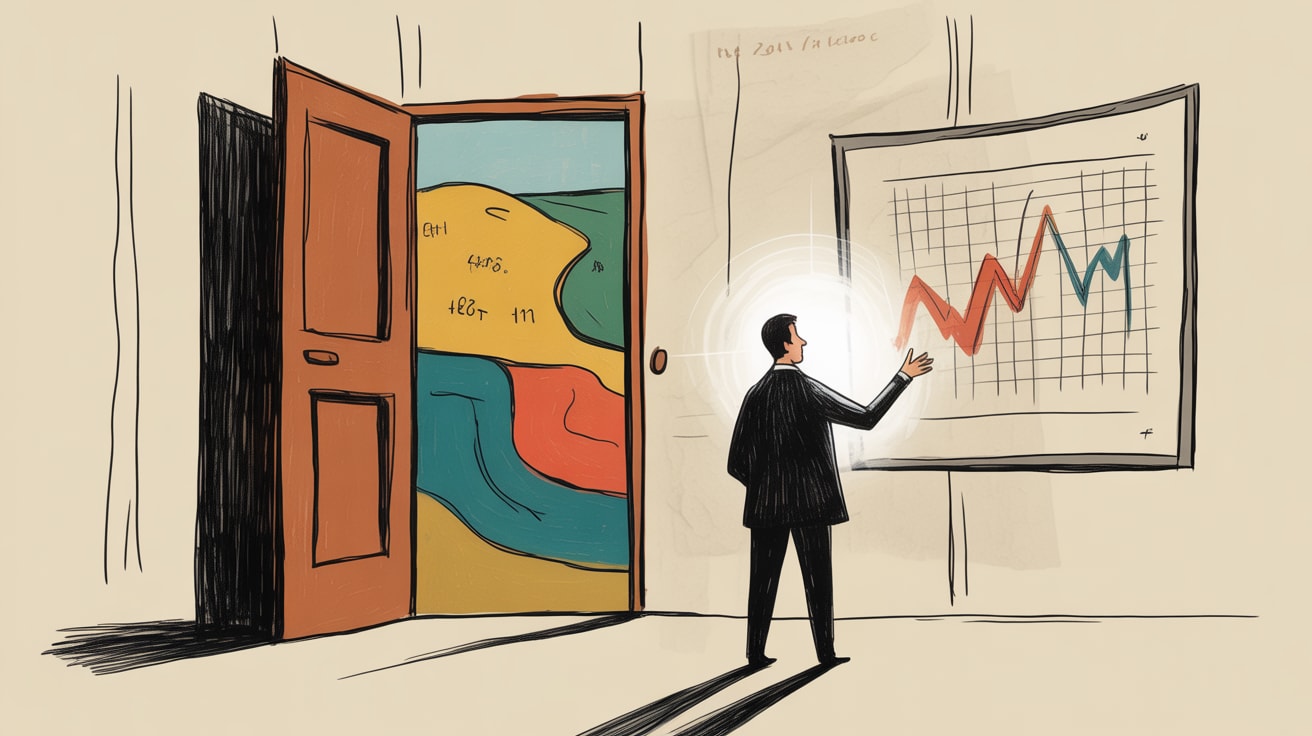
The problem: most brands are still measuring the old battlefield while buyers increasingly start their consideration process on AI platforms. A regional insurance brand could be ranking #2 on Google for its core keyword while being entirely absent from what Perplexity tells a prospect asking “what’s the best health insurance in Singapore for expats.” Those are two different competitions, and right now only one of them shows up in your monthly report.
For Southeast Asian markets — where mobile-first behaviour accelerates AI assistant adoption and where multilingual queries add further complexity — this gap is compounding faster than most marketing teams have noticed.
What AI Citation Tracking Actually Measures
AI citation tracking tools work by querying large language models with the kinds of prompts your target buyers actually use, then monitoring whether your brand appears in the response, where it appears, and how it’s characterised. It’s closer to share-of-voice analysis than traditional SEO rank tracking.
The signals that correlate with AI citation — according to HubSpot’s analysis — include the depth and authority of your long-form content, the quality of third-party coverage that AI models ingest during training, and the specificity with which your brand is associated with solving particular problems. Thin brand pages don’t get cited. Brands that have built genuine informational authority in a niche do.
This has direct strategic implications. A B2B SaaS brand that invested heavily in thought leadership whitepapers and earned coverage in respected trade publications is structurally better positioned for AI citation than a brand that optimised purely for transactional search terms. The content strategy that builds AI visibility looks meaningfully different from one optimised for click-through rates.
How to Build an AI Visibility Programme Without Starting From Zero
The good news: teams that already have content operations have the foundation. The shift is in how you frame content objectives and how you measure outcomes.
First, audit your existing content for answer density. AI models favour content that directly and comprehensively answers specific questions. If your blog posts are structured around keywords rather than genuine questions your buyers ask, that’s the first thing to fix. Map your top 20 buyer queries and assess whether your owned content would satisfy an AI model looking for a citable source.
Second, prioritise earned coverage in publications that AI models demonstrably index. For Southeast Asian brands, this means regional business media — The Business Times, Tech in Asia, KrASIA — alongside global trade publications relevant to your category. A single well-placed feature in a high-authority outlet carries more AI citation weight than ten press releases distributed through wire services.
Third, implement structured tracking. Tools flagged by HubSpot — including Profound, Otterly, and BrandMentions’ emerging AI monitoring features — allow teams to run systematic prompt queries across multiple AI platforms and track citation frequency over time. Set a baseline now, before competitors do, and you’ll have six months of trend data that becomes genuinely valuable when leadership asks why AI visibility matters.
YouTube as a Supporting Signal, Not a Side Channel
One underappreciated dimension of AI citation strategy: video content, particularly on YouTube, is increasingly referenced by AI platforms when answering queries with a strong educational or how-to dimension. Sprout Social’s 2026 YouTube data highlights that the platform remains the world’s second-largest search engine by volume — and that position matters because AI models trained on web content inevitably incorporate YouTube transcripts and metadata into their knowledge base.
For Southeast Asian brands, this creates a practical content opportunity. Short, well-structured YouTube content that directly addresses buyer questions — product comparisons, implementation guides, category explainers — can contribute to AI citation surface area in a way that pure text content sometimes doesn’t. The bar isn’t production quality; it’s answer clarity and topical specificity. A 6-minute explainer video with a well-crafted title and accurate transcript will outperform a 45-minute webinar that meanders across four tangential topics.
This connects to the broader principle: AI citation rewards brands that are genuinely useful and easy to parse, not brands that are loudest.
Key Takeaways
- Audit for answer density first: Before investing in new tools, assess whether your existing content directly and comprehensively answers the questions buyers are taking to AI platforms.
- Treat earned media as AI infrastructure: High-authority third-party coverage in regional and trade publications is the single highest-leverage input to AI citation visibility — not just a PR vanity metric.
- Set your baseline now: Implement AI citation tracking today so you have comparative data in 6–12 months; brands that start late will be reverse-engineering what worked rather than building on what they know.
The brands that will own AI-era visibility aren’t necessarily the ones spending the most — they’re the ones who recognised earliest that the measurement frameworks they inherited were built for a discovery landscape that’s quietly shifting under their feet. The question worth sitting with: if a prospect asked an AI assistant to recommend a brand in your category tomorrow, what would it say — and do you actually know?
At grzzly, we work with marketing teams across Southeast Asia who are navigating exactly this transition — building content and brand strategies that perform in both traditional and AI-driven discovery environments. If you’re trying to understand where your brand stands in the AI visibility landscape and what to do about it, we’d enjoy that conversation. Let’s talk
Sources

Written by
Mystic GrizzlyReading the early signals — in consumer behaviour, platform mechanics, and competitive positioning — before they become the consensus. Writing for practitioners who want to act ahead of the curve.