Publicis's $2.2B LiveRamp acquisition reshapes independent data collaboration. What it means for Southeast Asian brands and their martech stacks.
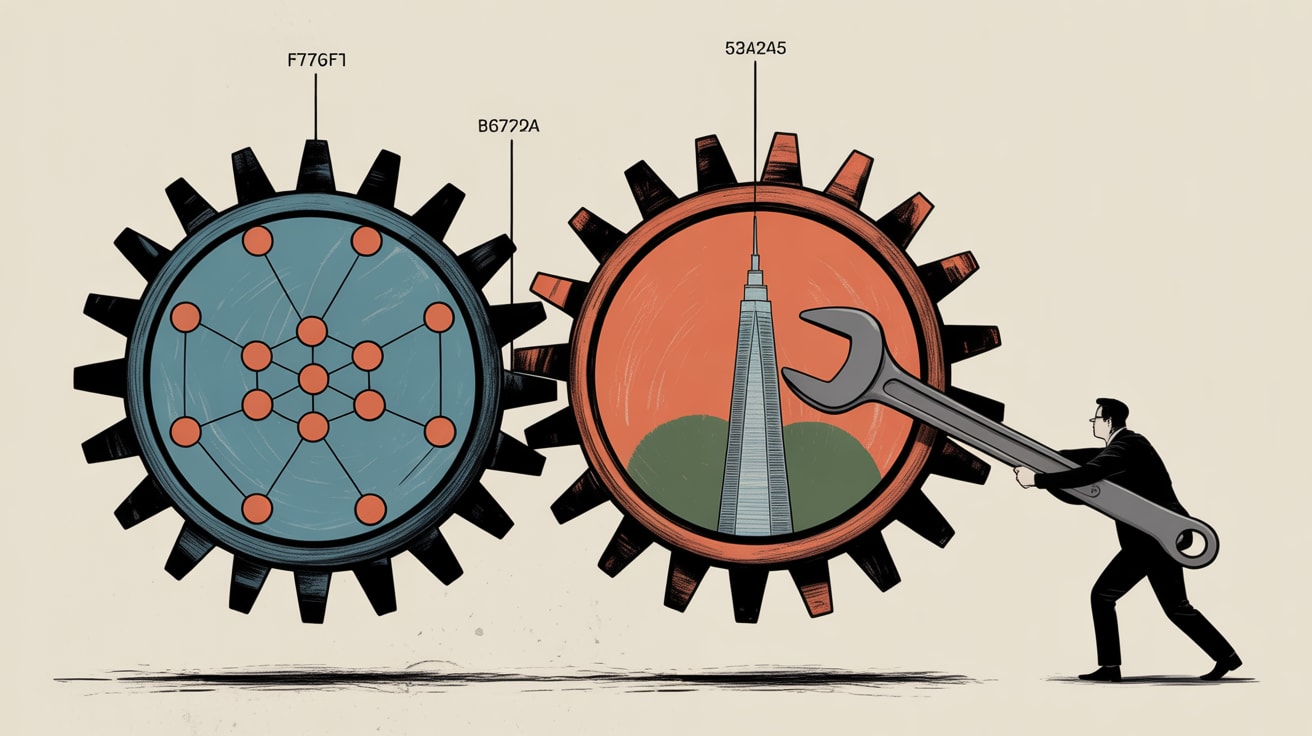
Publicis Groupe just spent $2.2 billion to ensure that the most widely adopted independent data collaboration platform is no longer independent. If your data strategy involves LiveRamp — and a significant portion of the ad industry’s does — Sunday’s announcement warrants more than a Slack notification. It warrants a whiteboard session.
What the Publicis-LiveRamp Deal Actually Means
AdExchanger reports that the acquisition triggered a wave of urgent industry calls over the weekend, with agencies and ad tech vendors scrambling to assess fallout. That reaction tells you something: LiveRamp wasn’t just a vendor. It was neutral infrastructure — the Switzerland of identity resolution, trusted precisely because it didn’t have a holding company parent with client revenue targets.
Publicis has doubled its market cap over the past four years while competitors stalled. Acquiring LiveRamp isn’t a pivot; it’s acceleration of an existing data-first strategy that already includes Epsilon. What Publicis is building — a vertically integrated stack from identity resolution through media activation — is the kind of closed-loop system that makes media planners either very comfortable or very nervous, depending on which side of the contract they’re on.
For brands managing their own first-party data outside a Publicis agency relationship, the question is blunt: can you trust a clean room that’s owned by your competitor’s agency?
The Independent Data Collaboration Market Just Shrank
LiveRamp’s value proposition was neutrality. Brands, publishers, and platforms collaborated through it precisely because no single commercial entity controlled the rails. That’s now changed. Alternatives like Habu (acquired by LiveRamp itself in 2023, now folded into the Publicis orbit), InfoSum, and Snowflake’s data clean room infrastructure will likely see renewed interest from brands and non-Publicis agencies reassessing their options.
For Southeast Asian marketers, this dynamic has a specific texture. The region’s data ecosystem is still maturing — first-party data strategies are less entrenched, and brands are often mid-implementation on identity infrastructure. That creates a narrow window to make deliberate architecture decisions before the market consolidates further. Platforms like Lazada, Shopee, and Grab sit on rich transactional datasets, and the question of how those flow into clean room environments — and under whose governance — is exactly the kind of strategic decision that gets harder to undo once you’ve committed to a stack.
Upfront Markets and the Outcomes Accountability Shift
Separately, the upfront marketplace is entering its negotiation season with a structural tension that mirrors the LiveRamp story: buyers want accountability, sellers want flexibility, and the measurement layer connecting the two is still contested ground. Digiday reports that outcomes-based buying is a dominant theme in this year’s negotiations, but measurement fragmentation is complicating deal structures.
This matters beyond the US broadcast context. Advanced TV investment in Southeast Asia — across CTV, AVOD, and premium streaming — is growing, and WPP Media’s decision to elevate a dedicated national head for Advanced TV client development signals that holding companies are building specialist capacity to capture that shift. The infrastructure being built in more mature markets today is the template that lands in Bangkok, Jakarta, and Kuala Lumpur within 18–24 months.
Outcomes-based buying sounds straightforward until you’re trying to agree on what an outcome is. Brand lift? Incremental reach? Attributed conversion? Each definition advantages a different party in the negotiation, which is why buyers are pushing hard on flexibility clauses — the ability to shift spend mid-flight if delivery metrics underperform.
What Smart Buyers Should Do Right Now
Three moves worth prioritising in light of this week’s developments:
First, audit your LiveRamp dependency. If LiveRamp is embedded in your clean room architecture, identity resolution workflow, or publisher data partnerships, map exactly where Publicis ownership creates conflict — real or perceived — and identify which elements are portable to neutral alternatives.
Second, accelerate first-party data infrastructure. The acquisition is a reminder that rented data infrastructure carries counterparty risk. Brands building owned first-party signals — through CRM, loyalty programmes, and direct digital touchpoints — are less exposed to shifts in the vendor landscape.
Third, get precise about outcomes before upfront commitments. Whether you’re buying advanced TV regionally or programmatic across Southeast Asian open exchanges, define what a successful outcome looks like in measurement terms you control. Vague KPIs don’t survive mid-campaign optimisation conversations with any integrity.
The ad stack is consolidating in ways that reward buyers with clear data governance frameworks and punish those who built strategy on assumed neutrality.
Key Takeaways
- The Publicis-LiveRamp acquisition eliminates a major neutral player in identity resolution — brands outside the Publicis ecosystem need to reassess clean room governance immediately.
- Outcomes-based buying is reshaping upfront negotiations; Southeast Asian buyers should define measurement frameworks before committing to advanced TV deals, not after.
- First-party data infrastructure is the only durable hedge against an ad tech landscape consolidating under holding company control.
The deeper question isn’t whether Publicis will monetise LiveRamp’s neutrality — of course they will. It’s whether the independent data collaboration category can reconstitute itself fast enough to give the rest of the market a credible alternative. And whether, by the time that answer is clear, your stack is already locked in.
At grzzly, we work with growth teams across Southeast Asia who are navigating exactly this kind of structural shift — building programmatic and data strategies that hold up as the ad tech landscape reshapes around them. If the LiveRamp news has you looking at your stack with fresh eyes, we’re happy to think through it together. Let’s talk
Sources

Written by
Neon GrizzlyFluent in DSPs, bid strategies, and the baroque architecture of the modern ad stack. Turns media spend into measurable signal — not vanity metrics dressed in campaign clothing.