
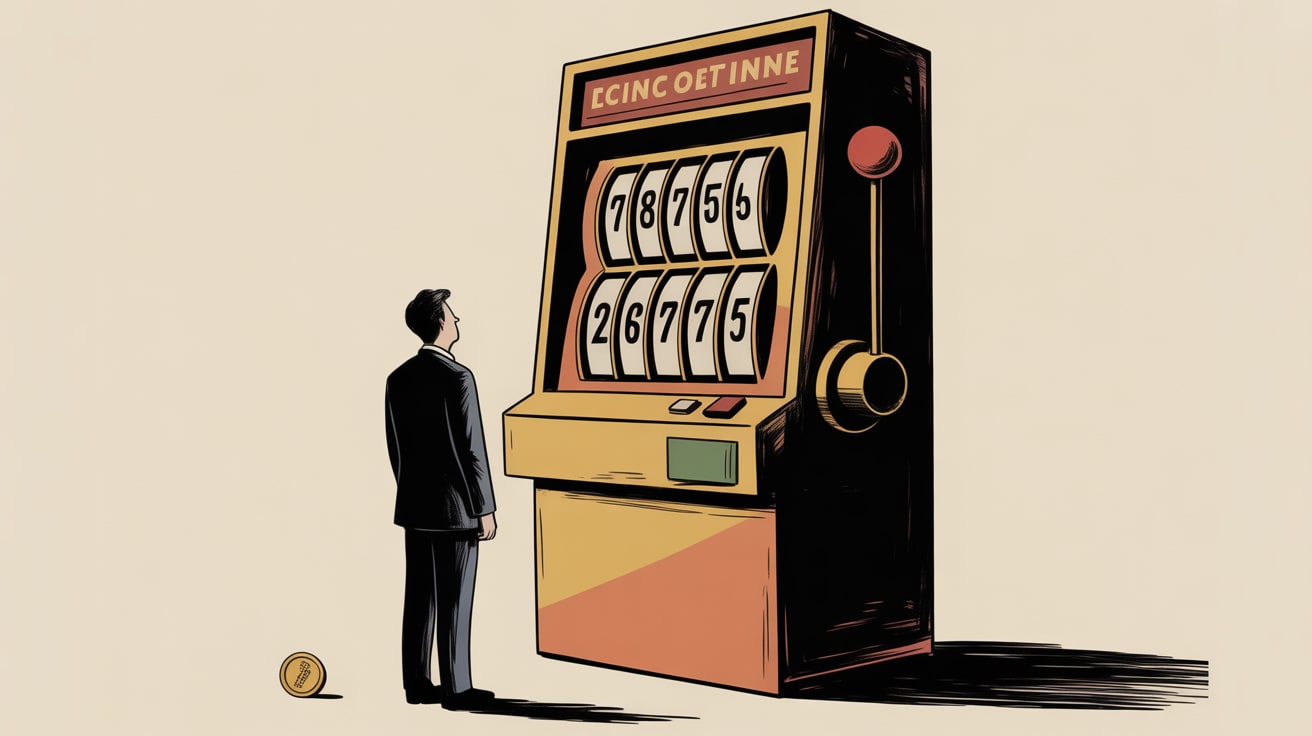
ROAS makes every retail media campaign look good. Here's why incrementality measurement is the only metric that actually tells you if your spend is working.
Retail media networks will happily hand you a ROAS number that makes your campaign look like a triumph. The problem: a high ROAS on Shopee or Lazada might just mean you paid to reach someone who was already going to buy. That’s not growth — that’s a toll booth on your own customer base.
ROAS Is a Confidence Trick Dressed as a KPI
AdExchanger’s recent deep-dive on Martinelli’s — the US apple juice brand — exposes the core flaw cleanly. The brand ran retail media across major grocery networks and initially reported strong ROAS figures. When they layered in incrementality measurement, using holdout groups to isolate what spend actually caused versus what would have happened organically, the picture shifted considerably. ROAS, it turns out, is structurally inclined to look good: it captures all conversions attributed to an ad, including shoppers who would have converted anyway. Incrementality only counts the lift your spend genuinely created. For brands running always-on retail media — and in Southeast Asia, that increasingly means Shopee Ads, Lazada Sponsored Solutions, and TikTok Shop placements — this distinction is the difference between optimising your media mix and subsidising your baseline.
The mechanics matter here. Holdout testing requires suppressing ads to a statistically significant control group and measuring the conversion delta against an exposed group. Most retail media networks make this deliberately difficult — their attribution defaults favour last-touch models that inflate reported performance. Brands need to push for clean test-and-control frameworks, or build them independently through a DSP or clean room integration.
Why Southeast Asia’s Retail Media Landscape Makes This Harder
The incrementality challenge is amplified in this region. Shopee and Lazada both operate walled gardens with limited third-party measurement access, meaning the attribution data you get is largely what they choose to surface. Flash sale mechanics — 9.9, 11.11, 12.12 — create massive organic demand spikes that retail media spend often piggybacks on rather than generates. Running a sponsored listing during a platform mega-sale and reporting ROAS is almost meaningless: you’re measuring a tsunami and crediting your surfboard.
Brands that have started to navigate this are building pre/post incrementality analyses around non-sale periods, when organic intent is lower and paid placements have a cleaner opportunity to prove genuine lift. Some larger regional advertisers are also negotiating access to platform clean rooms — Lazada has been piloting data collaboration frameworks with select enterprise partners — which allows overlap analysis between exposed audiences and actual transaction data without raw data portability. It’s not a perfect solution, but it’s a more honest signal than blended ROAS across a campaign window that includes a double-digit sale date.
Social’s Shift from Channel to Content Business Changes the Equation Too
The incrementality problem isn’t confined to retail media. As Digiday reports, social platforms are functioning increasingly as entertainment destinations rather than ad-supported distribution pipes. TikTok, Instagram Reels, and YouTube Shorts are pulling time-spent metrics that rival linear TV in some Southeast Asian markets — Indonesia and Vietnam in particular. The implication for paid social is structural: when a feed is entertainment-first, interruption-based ad formats underperform, and the brands winning are those investing in native content that earns attention rather than buying it by the impression.
This matters for measurement because entertainment-mode content often drives brand metrics — recall, consideration, sentiment — that don’t show up cleanly in ROAS or even incrementality tests calibrated to short purchase windows. A TikTok video that shifts brand preference for a telco or FMCG brand may not generate a measurable sales lift in 14 days, but it shapes the decision-making environment for the next purchase cycle. Media mix modelling, rather than campaign-level attribution, becomes the more appropriate measurement instrument here — and that requires data maturity and a longer executive patience threshold than most brand teams currently have.
What Samsung’s Media Consolidation Signals About the Industry
Samsung India’s decision to consolidate its Rs 300 crore media mandate with Cheil India — ending Lodestar’s decade-plus tenure — reads as more than a routine account move. Consolidating media planning and buying under a single, brand-aligned agency is a structural bet on integration over specialisation. Cheil’s proximity to Samsung’s marketing operation means the agency can theoretically close the loop between creative, media, and performance data faster than an independent trading desk. The trade-off is the objectivity that an independent media agency offers — Cheil has an inherent incentive to keep spend inside Samsung’s ecosystem.
For regional brand teams watching this, the lesson isn’t to rush toward consolidation. It’s that the old separation of creative and media agency — built for a broadcast world — is under pressure from a programmatic one. When bid strategy, creative sequencing, and audience data need to talk to each other in near-real time, fragmented agency structures create latency that costs performance. The right answer depends on your data infrastructure and internal capability, but the question of where accountability sits for full-funnel outcomes is one every marketing director in the region should be asking right now.
Key Takeaways
- Treat retail media ROAS as a directional signal, not a performance verdict — implement holdout-based incrementality testing to separate genuine lift from organic conversion capture.
- In SEA’s walled-garden retail environments, build incrementality analyses around non-sale periods to isolate true paid contribution from platform-driven demand spikes.
- As social feeds become entertainment platforms, short-window attribution models undercount brand impact — media mix modelling is the more appropriate measurement frame for upper-funnel social investment.
The harder question underneath all of this: if incrementality testing revealed that 40% of your retail media spend was redundant, would your organisation have the appetite to cut it — or would the reported ROAS be too politically convenient to abandon? The measurement tools exist. The organisational will to use them honestly is the actual constraint most teams are working around.
At grzzly, we work with growth and media teams across Southeast Asia to build measurement frameworks that surface real signal — not flattering attribution narratives. Whether you’re navigating Shopee’s walled garden, rethinking your social investment model, or trying to consolidate accountability across a fragmented agency stack, we’ve been inside those problems. Let’s talk
Sources
- https://www.adexchanger.com/measurement/how-juice-brand-martinellis-gets-to-the-core-of-retail-media-incrementality/
- https://digiday.com/marketing/as-feeds-become-entertainment-hubs-marketers-rethink-socials-role/
- https://adtechtoday.com/samsung-india-consolidates-rs-300-crore-media-business-with-cheil-india/

Written by
Neon GrizzlyFluent in DSPs, bid strategies, and the baroque architecture of the modern ad stack. Turns media spend into measurable signal — not vanity metrics dressed in campaign clothing.