Unified ad platforms promise to end point-solution chaos. Here's what they actually do, what they don't, and how to evaluate one for your stack.
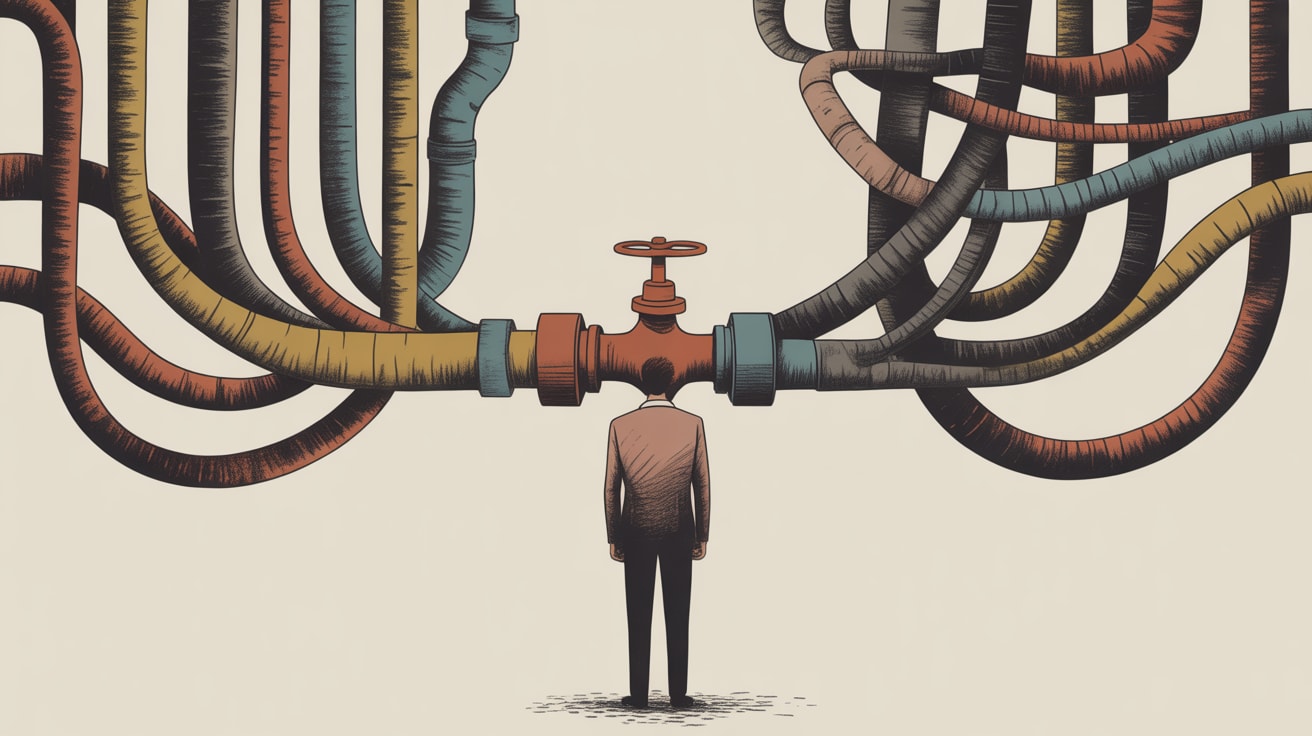
The average enterprise media stack quietly accumulated somewhere between eight and fifteen point solutions over the last decade. Each one solved a specific problem elegantly. Together, they created a baroque architecture that nobody fully understands — including the people who bought them.
The industry response to this mess is the unified ad platform. But as Digiday’s Seb Joseph recently reported, what vendors mean by “unified” varies enormously. Understanding the difference matters more than the label.
What a Unified Ad Platform Actually Does
At its core, a unified ad platform attempts to collapse distinct buying, measurement, and optimisation functions — historically managed by separate DSPs, ad servers, DCO tools, and analytics dashboards — into a single interface with a shared data layer. The promise is obvious: one truth, less reconciliation, faster decisions.
The reality is more nuanced. Most platforms marketed as “unified” today are either a dominant DSP that has bolted on adjacent capabilities through acquisition, or an ad server that has extended upward into buying. True architectural unification — where the data model is genuinely shared rather than federated via API — remains rare. Before evaluating any vendor, the right question is: unified at the data layer, or unified at the UI layer? They are not the same thing, and only one of them reduces your operational overhead in a meaningful way.
The Full-Funnel Pitch Is Getting Louder — and More Credible
Roku’s 2026 upfront approach is instructive here. Rather than hosting a splashy formal event, AdExchanger reports that Roku held intimate dinners with holding companies and independent agencies — approximately 70 attendees each — focused specifically on full-funnel CTV narratives. The shift from awareness-only to measurable lower-funnel outcomes in streaming is no longer theoretical; it’s the central commercial argument.
This matters for unified platform thinking because CTV is increasingly where the consolidation pressure is most acute. Brands running awareness on streaming, retargeting on social, and conversion on search are managing three separate attribution models, three separate frequency caps, and three separate optimisation signals. A platform that genuinely unifies these — with a shared identity spine and cross-channel frequency management — solves a real problem. Most platforms claiming this capability are stitching together panels and probabilistic matching. Useful, but not the same as deterministic unification. Southeast Asian media buyers should be especially sceptical: cross-platform identity resolution in markets like Indonesia or Vietnam, where device fragmentation and cookie deprecation interact with lower CRM data quality, is harder than vendor decks suggest.
What Netflix’s India Move Signals About Mandate Architecture
Netflix awarding its ₹300 crore India media mandate to Omnicom’s Initiative — moving from Wavemaker — is worth reading as more than an account win. A brand of Netflix’s sophistication consolidating integrated media operations under a single agency network reflects a preference for coordinated buying intelligence over best-of-breed specialisation. When your platform strategy is unified, your agency structure tends to follow.
For brands in Southeast Asia evaluating similar consolidation moves, the lesson is about data continuity. When a mandate switches agencies — or when a brand migrates from a point-solution stack to a unified platform — historical performance data rarely transfers cleanly. Audience segments, bid modifiers, creative performance benchmarks: these tend to live in the tool, not in a portable format. Build data portability clauses into both agency contracts and platform agreements before you need them, not after.
How to Actually Evaluate a Unified Platform
Three practical tests cut through most vendor noise. First, ask for a live demo of cross-channel frequency capping — not a slide, a live environment. If the platform genuinely shares a data layer, this should work in real time. If it requires a 24-hour sync window, it’s federated, not unified.
Second, request the latency spec on audience segment activation. In programmatic, the gap between a user qualifying for a segment and that signal being available to the bidder is where unified platforms either prove or betray their architecture. Under 15 minutes is credible. “Near real-time” without a number is not.
Third, map your existing integrations against the platform’s native connectors before any commercial conversation. In Southeast Asia, this means checking for Lazada, Shopee, and LINE ecosystem integrations specifically — not just Google and Meta. A unified platform that requires custom engineering to connect to the region’s dominant commerce and messaging environments will cost you more in implementation than you save in consolidation.
Key Takeaways
- Demand a clear answer on whether unification happens at the data layer or the UI layer — the distinction determines whether you actually reduce reconciliation work.
- Cross-channel frequency management and audience portability are the two capabilities most likely to expose whether a “unified” platform is genuine or cosmetic — test both before signing.
- In Southeast Asia, platform evaluation must include native connectivity to regional ecosystems; a stack unified around Western inventory rails is only partially useful here.
The consolidation impulse in ad tech is rational. Managing twelve tools to run one campaign is genuinely absurd. But the platforms selling unification today are at very different points on the architectural maturity curve — and the gap between a polished demo and a functioning data spine is where most implementation pain lives. The real question worth sitting with: as AI-driven buying logic becomes the primary optimisation layer, does the platform you’re evaluating give that logic access to unified signal — or just unified reporting?
At grzzly, we work with marketing and media teams across Southeast Asia to audit existing ad stacks, evaluate platform consolidation options, and build buying architectures that actually match how the region’s ecosystems are wired — not how a US vendor’s roadmap assumes they work. If you’re navigating a platform decision or a mandate restructure, we’re happy to think through it with you. Let’s talk
Sources
- https://digiday.com/media-buying/wtf-is-a-unified-ad-platform/?utm_campaign=digidaydis&utm_medium=rss&utm_source=general-rss
- https://www.adexchanger.com/tv/roku-delivers-upfront-dinners-with-a-side-of-full-funnel/
- https://adtechtoday.com/netflix-awards-%e2%82%b9300-crore-india-media-mandate-to-omnicoms-initiative/

Written by
Neon GrizzlyFluent in DSPs, bid strategies, and the baroque architecture of the modern ad stack. Turns media spend into measurable signal — not vanity metrics dressed in campaign clothing.