Rival trade bodies are splitting programmatic's future into two camps. Here's what agentic media planning means for paid media teams in Southeast Asia.
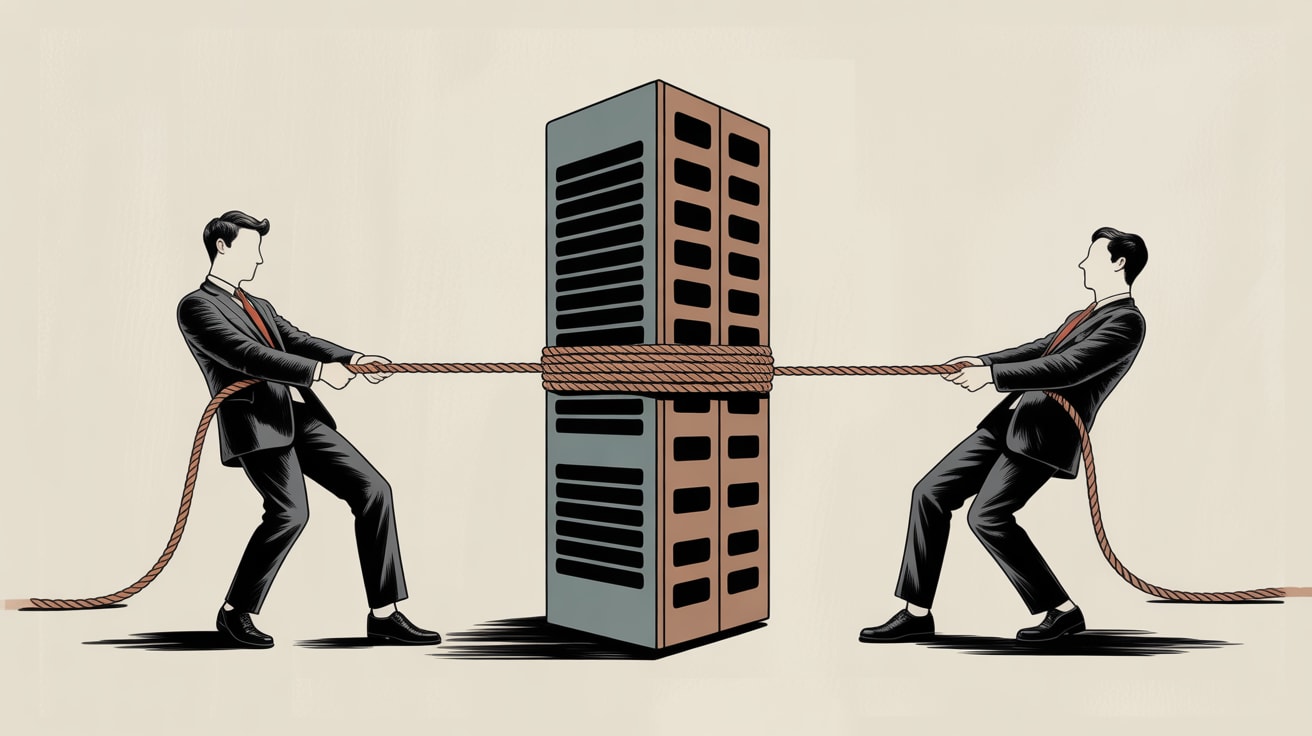
The ad industry has never been short of trade bodies. It has, however, been chronically short of agreement between them. Now, as agentic AI threatens to redraw the architecture of programmatic media buying, rival industry groups are forming opposing camps — and the fracture lines matter more than the politics.
Why Agentic Media Planning Is the Actual Fight
Digiday reports that agentic media planning and buying — systems where AI autonomously executes campaign decisions end-to-end, from targeting logic to bid adjustments to creative selection — is the wedge issue driving new fault lines between trade bodies. One camp is pushing for consensus frameworks: shared standards, auditable decision trails, interoperable signals. The other sees disruption as the point, betting that whoever controls the agentic layer controls the margin.
For paid media teams, this isn’t an abstract governance debate. Agentic systems will eventually touch every DSP workflow: how audiences are assembled, how budgets are paced, how creative is rotated. The question isn’t whether to engage — it’s whether your current stack, data hygiene, and measurement infrastructure are ready to hand the wheel to an autonomous system without silently wasting budget at scale.
In Southeast Asia, where media plans routinely span Shopee Ads, Meta, TikTok, Google DV360, and LINE simultaneously, the complexity of agentic orchestration is a harder problem than it is for single-market advertisers. Fragmented attribution across these platforms is already a known pain point. Feed autonomous decisioning into that fragmentation without resolving it first, and you’ve built a faster engine for the same wrong destination.
The Relevance Signal Is Getting Louder Than the Reach Signal
While the programmatic establishment debates governance, a quieter structural shift is happening at the platform level. AdExchanger’s profile of Spill — a social app that emerged partly from the collapse of Black Twitter’s cultural home — illustrates a model worth watching: culture-first ad targeting that prioritises contextual relevance over raw audience scale.
Spill’s pitch to advertisers is essentially that reach without cultural fit is noise. Its ad model is built around community context — matching brands to conversations and identities rather than demographic buckets. Whether Spill itself scales is a separate question. The signal that matters is what its existence confirms: advertisers are actively looking for alternatives to broad-audience programmatic because brand safety and cultural misalignment have become measurable risks, not just reputational ones.
For Southeast Asian media buyers, this maps directly onto a familiar challenge. Running a single creative across TikTok’s Filipino Gen Z audience and LINE’s Thai urban professional base isn’t targeting — it’s broadcasting. The platforms have the segmentation capability; the gap is usually in briefing, creative localisation, and the willingness to accept a smaller but higher-converting audience pool over a vanity reach number.
What the Infrastructure Gap Actually Costs
Here’s the uncomfortable operational reality: most mid-market brands in Southeast Asia are running programmatic on stacks that weren’t designed for the level of signal complexity that’s now standard. First-party data is siloed in CDPs that don’t talk cleanly to DSPs. Creative management platforms are disconnected from bid strategy logic. Measurement is a patchwork of platform-native attribution, GA4 imports, and quarterly MTA reports that arrive too late to influence in-flight decisions.
Agentic systems will expose this infrastructure debt immediately. An autonomous buying agent optimising toward the wrong signal — last-click revenue in a category with a 14-day consideration cycle, for example — will confidently destroy upper-funnel equity while reporting green numbers on the dashboard. The technology isn’t the risk. The risk is deploying capable AI on top of flawed data architecture and assuming competence will compensate for poor inputs.
The practical implication: before any conversation about agentic media, conduct a signal audit. Map every data input that currently informs your DSP bidding logic. Identify which signals are clean, which are lagged, and which are being inferred from proxies. That audit is also your stakeholder presentation when the CFO asks why the programmatic budget needs restructuring before the AI layer goes live.
Where Southeast Asian Teams Should Place Their Attention
The rival trade body drama will play out over months. Industry consensus, if it arrives, will arrive slowly. In the meantime, the practical opportunity is in the gap between what agentic systems can theoretically do and what current ad stacks are actually ready to support.
Three things deserve immediate attention. First, DSP contracts: review whether your current platform agreements allow for third-party agentic orchestration layers, or whether exclusivity clauses will limit your options as the market develops. Second, creative infrastructure: agentic media buying without dynamic creative optimisation is a mismatch — the bidding intelligence will outpace the creative pipeline. Third, measurement frameworks: establish what a good autonomous outcome looks like before the system is making decisions, not after.
The brands that will extract value from agentic programmatic first are not necessarily the ones with the biggest budgets. They’re the ones whose data inputs are clean enough to give an autonomous system an honest signal to work with.
The real question isn’t which trade body wins. It’s whether your infrastructure gives any system — human or agentic — a fair chance of making good decisions.
At grzzly, we spend a lot of time inside the ad stacks of Southeast Asian brands — mapping signal quality, restructuring DSP logic, and making sure media spend is generating insight, not just output. If your team is trying to figure out where agentic media fits into your programmatic roadmap, that’s exactly the kind of conversation we’re built for. Let’s talk
Sources

Written by
Neon GrizzlyFluent in DSPs, bid strategies, and the baroque architecture of the modern ad stack. Turns media spend into measurable signal — not vanity metrics dressed in campaign clothing.