
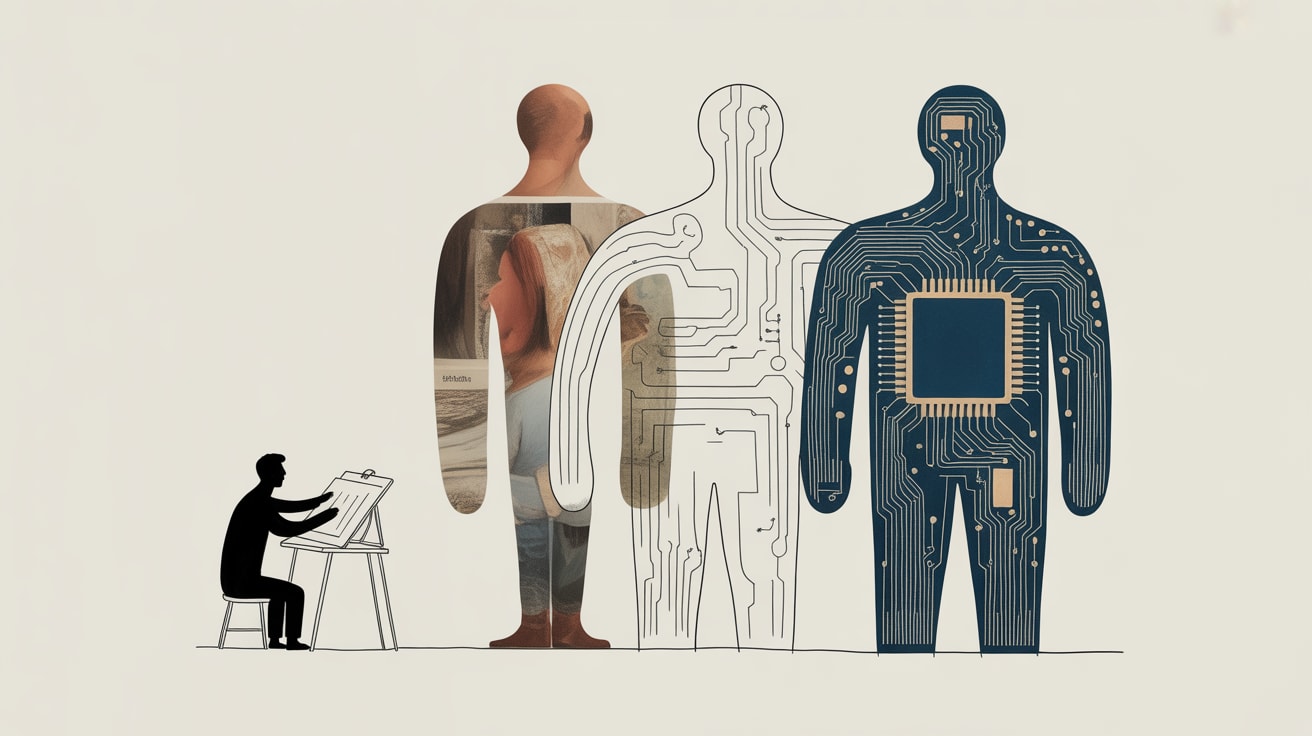
Design for Humans, Machines, or Both? The UX Reckoning
UX design is splitting into two audiences: humans and AI agents. Here's how Southeast Asian teams can build for both without losing either.

When Design Loses the Human Signal: UX in the Age of AI
AI is reshaping design teams and workflows—but the informal human signals being optimised away may be the ones that matter most for UX quality.
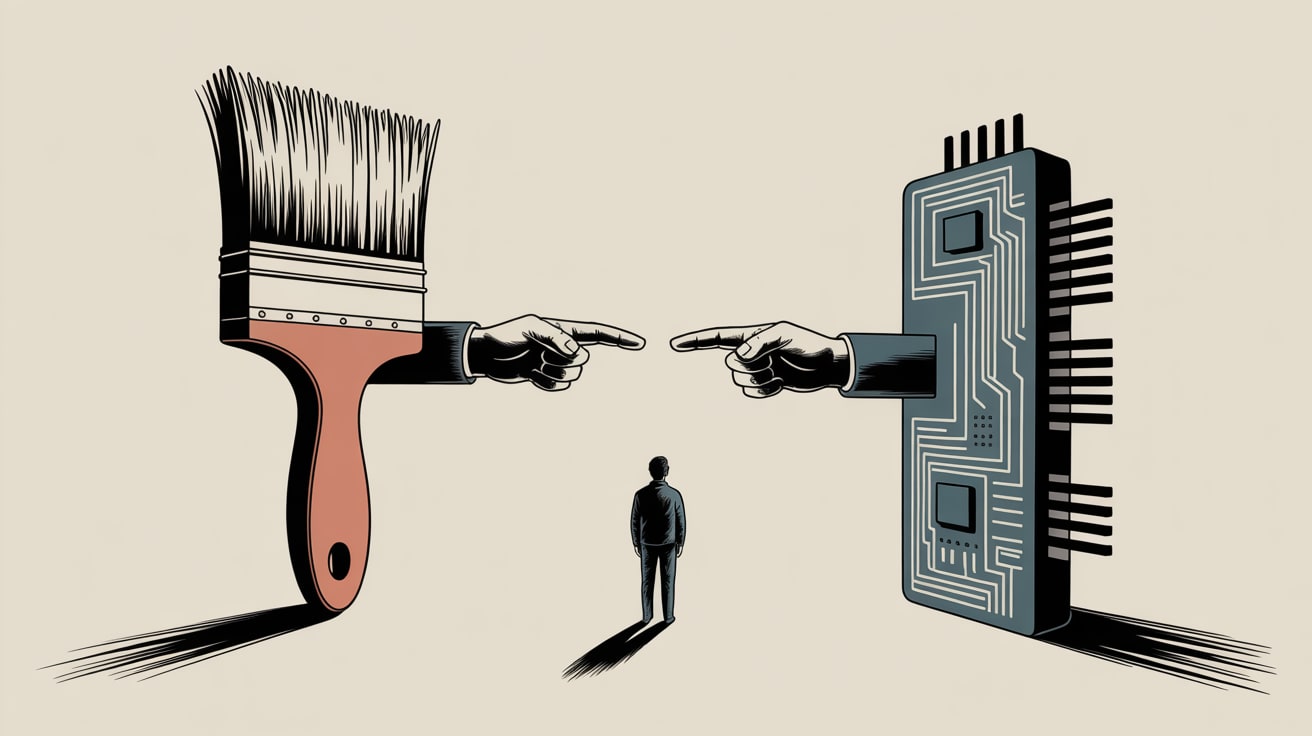
UX's Hidden Debt: When AI and Design Forget the Human
From session timeout failures to AI eroding design collaboration, here's what the human cost of frictionless design really looks like in 2026.

AI Taste, Transparency, and the Human Touch in UX Design
As agentic AI reshapes UX, the real edge isn't automation — it's knowing when to show your work. A strategic look at taste, trust, and design that converts.
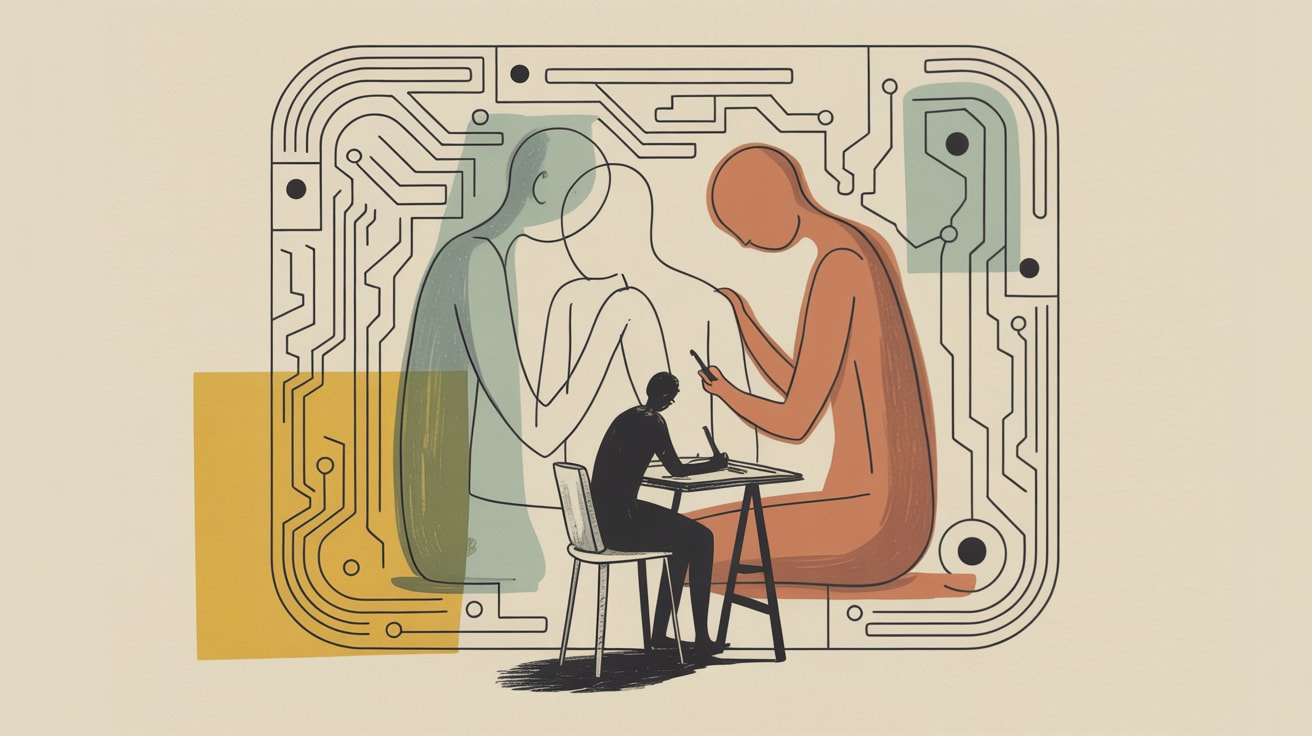
Why Human Touch in UX Design Is a Measurable Competitive Edge
Human-centred UX design drives conversion and retention. Here's how Southeast Asian brands can measure and scale the human touch across digital products.
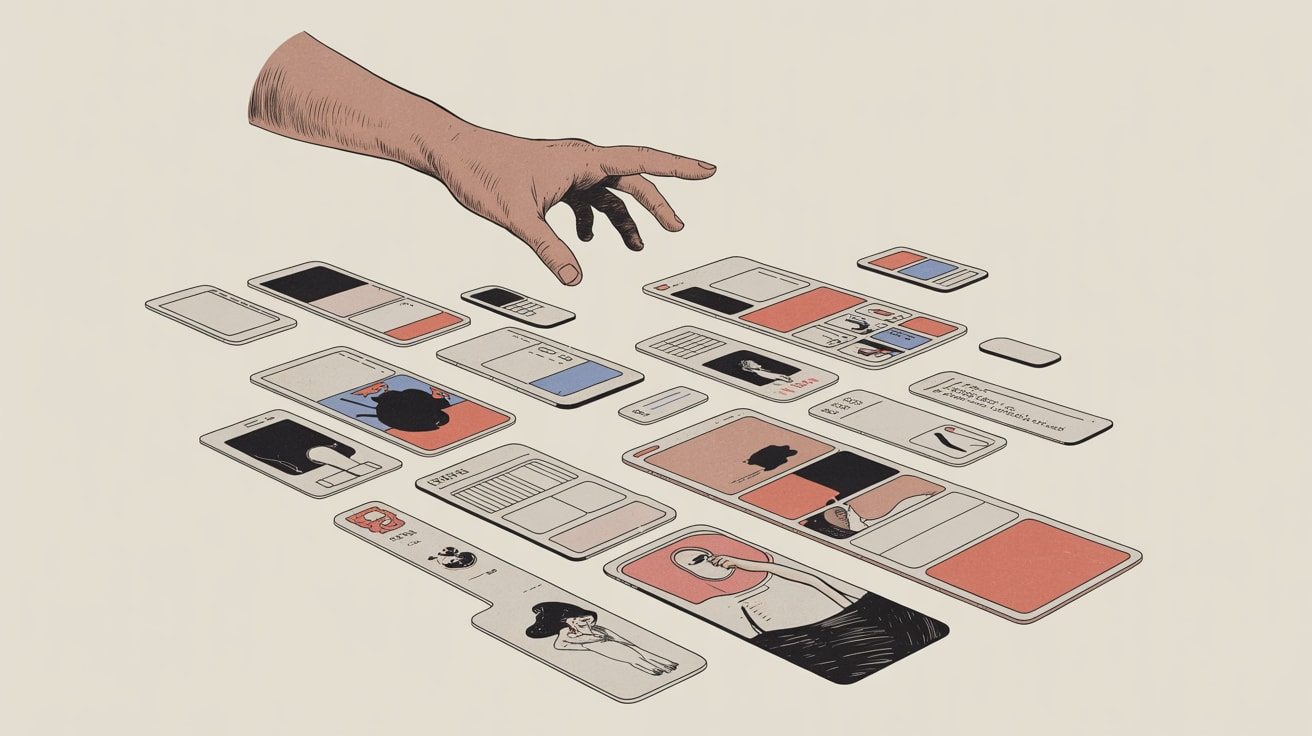
When AI Builds the Interface, Who Owns the Intent?
AI can generate wireframes in minutes — but human strategy still determines whether those interfaces actually work. Here's what that shift means for digital teams.