
Default Bias and Design Systems: Who's Setting Your UX?
Default bias shapes user behaviour more than most UX teams realise. Here's how to use it intentionally — and build design systems that scale the signal.

AI-Ready Design Systems: The JavaScript Signal You're Missing
CSS @function, AI-ready design systems, and the tracking signal hiding in your JS payload. What this week's front-end news means for Southeast Asian digital teams.

CSS @function, AI Design Systems, and the Signal Beneath
CSS @function rewrites how design logic scales. Paired with AI-ready design systems, here's what Southeast Asian dev teams need to act on now.
AI-Ready Design Systems: The UX Signal in All That Noise
AI tools flood teams with more output, not better design. Here's how AI-ready design systems help SEA brands maintain quality at scale.

CSS, Empathy, and the Design Stack Nobody Talks About
From self-correcting color systems in CSS to the quiet erosion of empathy in UX — what the design stack really needs in 2026.
Design for Humans, Machines, or Both? The UX Reckoning
UX design is splitting into two audiences: humans and AI agents. Here's how Southeast Asian teams can build for both without losing either.

Why Prototype Honesty Is Your UX Data's Missing Layer
Dishonest prototypes corrupt your UX data before analysis begins. Here's how to fix the signal problem at the source and design with real intelligence.

AI UX Debt Is Real — and Southeast Asia Will Pay It First
AI UX debt is accumulating faster than teams can ship. Here's what Southeast Asian design and data teams must do before the bill comes due.

When UX Design Hides the Truth From Your Customers
Deceptive UX patterns, shallow customer understanding, and broken feedback loops are quietly eroding brand trust. Here's how to design your way out.

Color Psychology in UX: What M&M's Data Reveals
M&M's color decisions reveal how chromatic choices shape user behavior and brand revenue. A data-driven UX analysis for Southeast Asian digital teams.

Color Psychology in UX: What M&M's Can Teach Brand Design Teams
M&M's color controversies reveal how color psychology drives UX decisions and brand revenue. What Southeast Asian design teams can learn and act on.
Design Tokens and AI Context: What DESIGN.md Teaches Us
Why writing a DESIGN.md file for AI tools is actually a masterclass in design system discipline — and what SEA teams can learn from it.
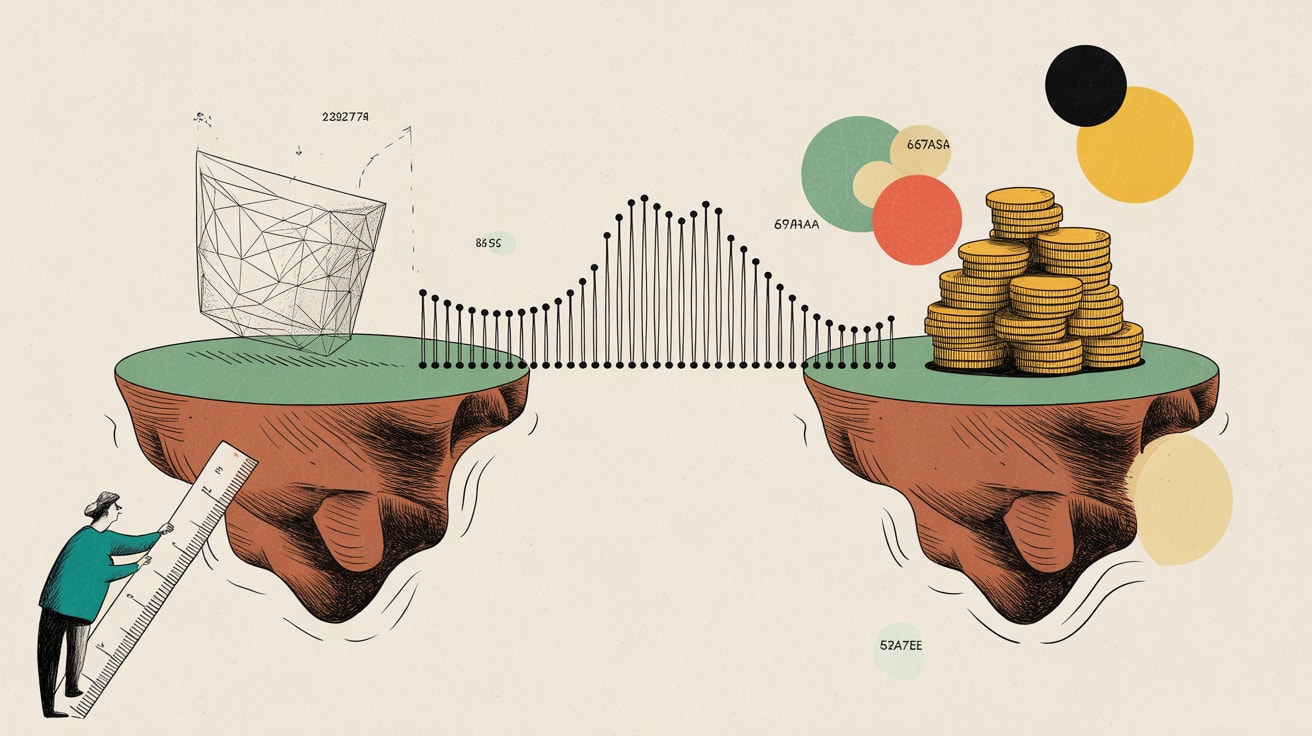
UX ROI Is Real: What the Data Says About Design Value
Ten data-backed truths link UX directly to revenue and retention. Here's how smart design teams in Southeast Asia can make the business case stick.
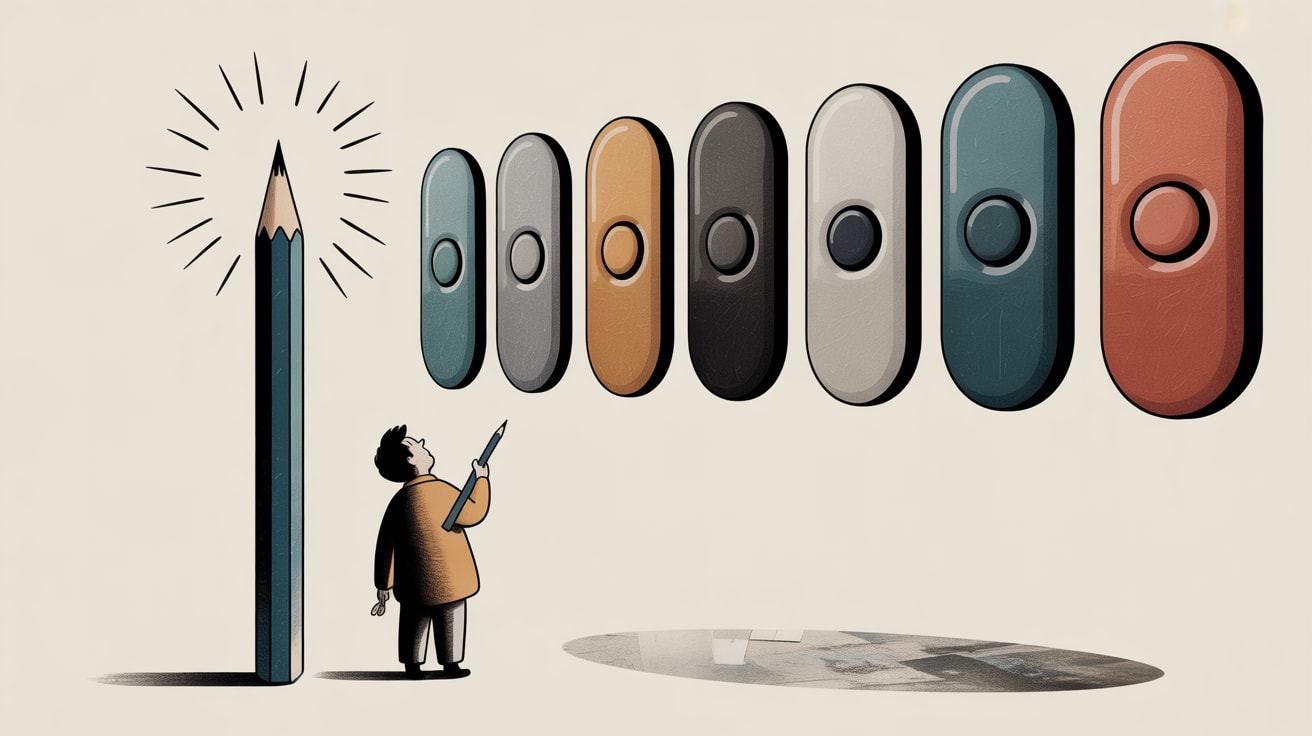
Why AI Prompt Boxes Are a UX Step Backward
AI tools defaulted to the command line. Here's why that's a UX regression — and what design teams must do to fix it before users walk away.
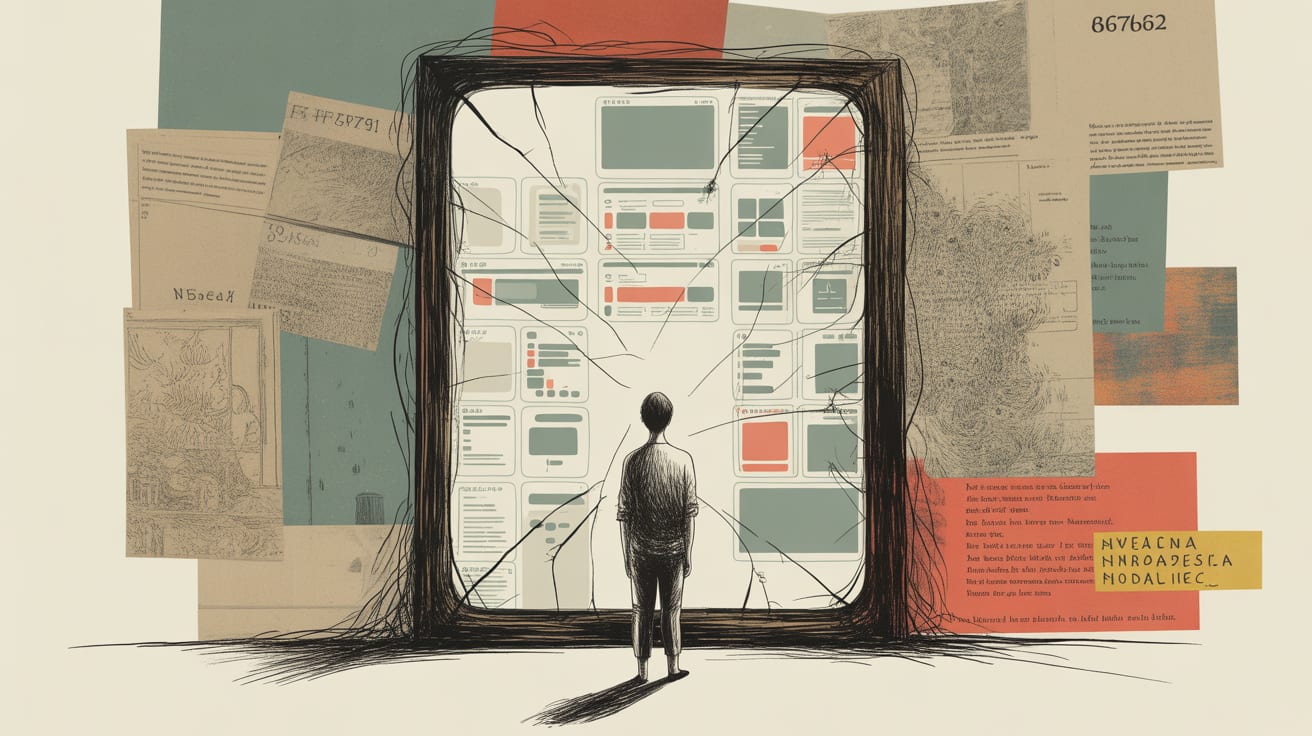
When Design Tells the Truth: UX Beyond Aesthetics
How honest UX design — from cultural identity systems to system tool interfaces — drives real business outcomes for brands in Southeast Asia.

Why UX Still Needs a Human Hand in the Age of AI Design
AI can accelerate UX research and design — but emotional context is still a human advantage. Here's what that means for your design system strategy.
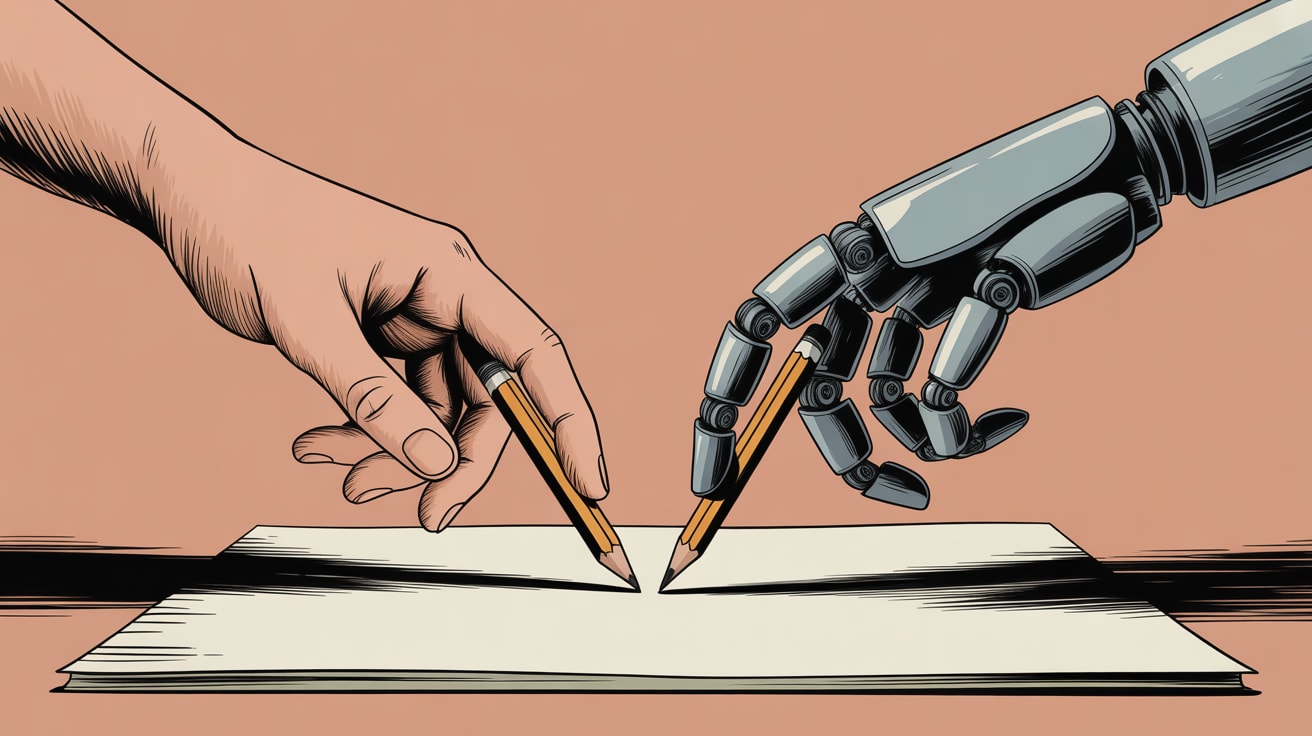
Why Human-Centered UX Still Outperforms AI-Generated Design
AI can generate interfaces fast, but human-centered UX design still drives better conversion and loyalty. Here's what the data actually shows.
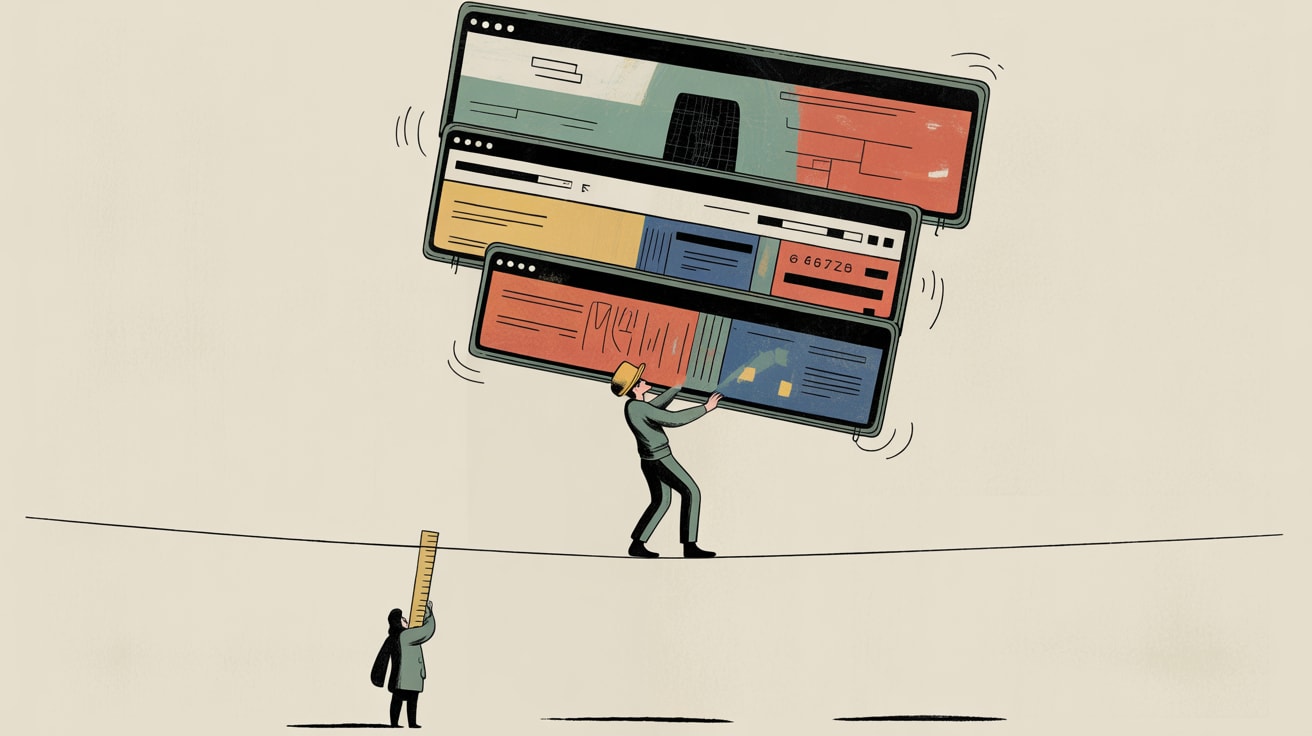
Streaming UI Stability and Accessibility: Design That Converts
Streaming interfaces and accessibility aren't optional extras — they're revenue variables. Here's how to design UIs that hold up under real conditions.
UX Design in 2026: When Good Intentions Break the Experience
Why accessibility gaps, AI-blurred roles, and misaligned teams are quietly undermining UX quality — and what Southeast Asian digital teams can do about it.
UX Debt Is a Data Problem: What Broken Flows Cost You
Uncoordinated UX changes and ignored accessibility gaps aren't design failures — they're data leakage. Here's how to measure and fix them.
UX Design's Human Problem: What AI Can't Architect
AI is reshaping UX design workflows fast. Here's why the human decisions—accessibility, trust, cultural texture—still determine whether products actually work.
UX's Hidden Debt: When AI and Design Forget the Human
From session timeout failures to AI eroding design collaboration, here's what the human cost of frictionless design really looks like in 2026.

Haptic Design Systems: The UX Signal Brands Are Missing
Haptic feedback is a design layer most brands ignore — here's how to build a cross-platform haptic system that scales and converts.
Why Handmade Design Is the Conversion Signal You're Missing
AI-fatigued users are rewarding brands that look human. Here's how handmade design choices translate into measurable trust and conversion gains.

AI Taste, Transparency, and the Human Touch in UX Design
As agentic AI reshapes UX, the real edge isn't automation — it's knowing when to show your work. A strategic look at taste, trust, and design that converts.

The UX Layer Your Design System Is Quietly Ignoring
Most design systems optimise for what users see. Here's why the invisible UX layer — screen reader output — is your next conversion lever.

Design Engineers Are Rewriting Who Owns the Build
Design engineers are blurring the line between UX and dev. Here's what that means for brand output, team structure, and your next hire in Southeast Asia.
UX Research Isn't Dead — Your Pitch for It Probably Is
UX design keeps getting eulogised, yet user research remains the sharpest edge in the product toolkit. Here's how to actually sell it internally.
Why Perfect Design Is Quietly Killing Your Conversion Rate
Pixel-perfect UI isn't the goal — usable, accessible, and shipped design is. Here's what the precision paradox means for SEA growth teams.
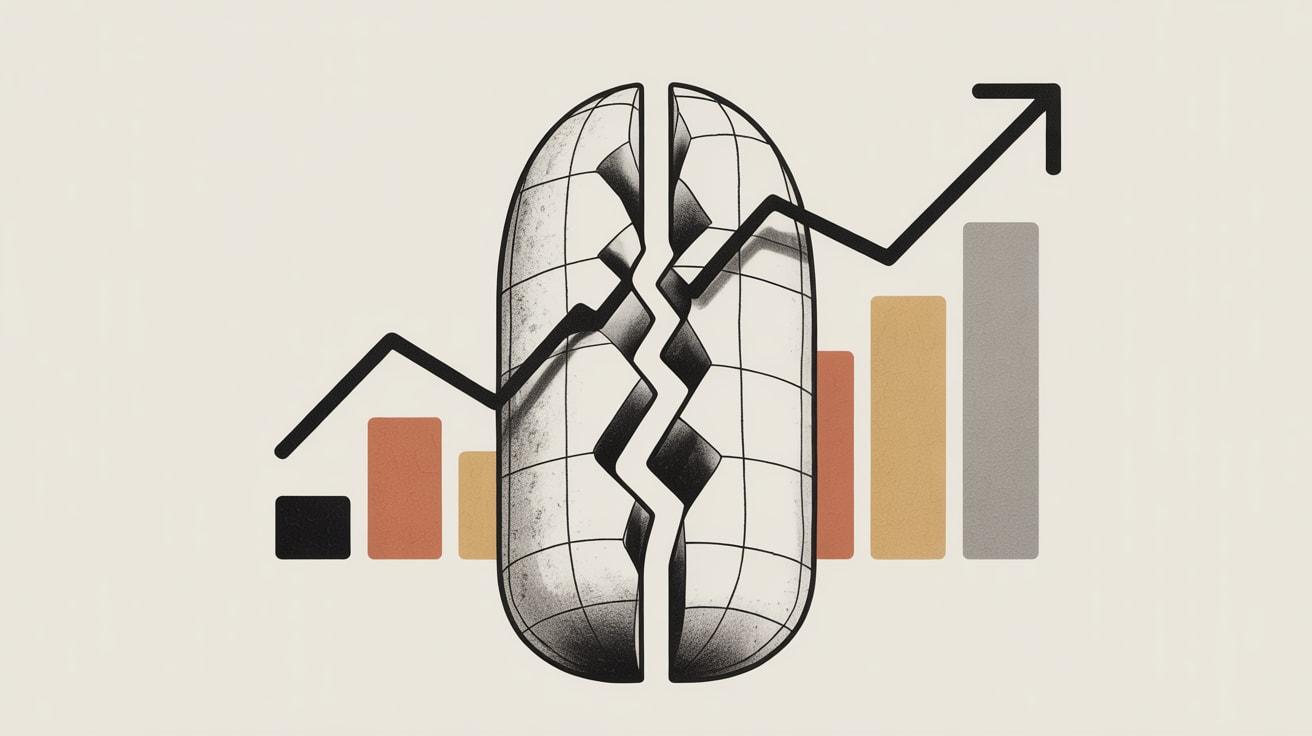
Why Perfect Design Is Quietly Killing Conversion Rates
Precision in UX design often undermines business outcomes. Here's why embracing strategic imperfection drives better conversion, accessibility, and revenue.
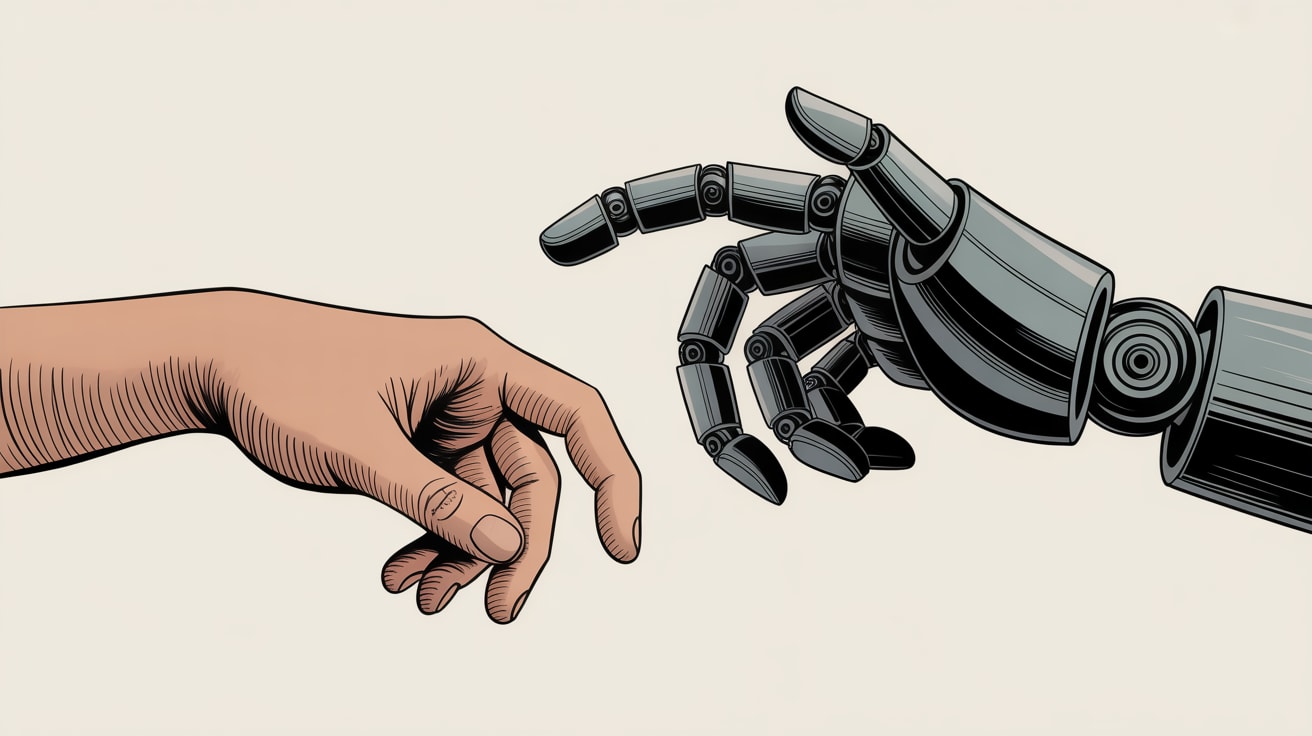
Why Human-Touch Design Still Wins in an AI-First World
AI tools dominate design workflows, but the brands winning in SEA are those preserving deliberate imperfection. Here's what that means strategically.
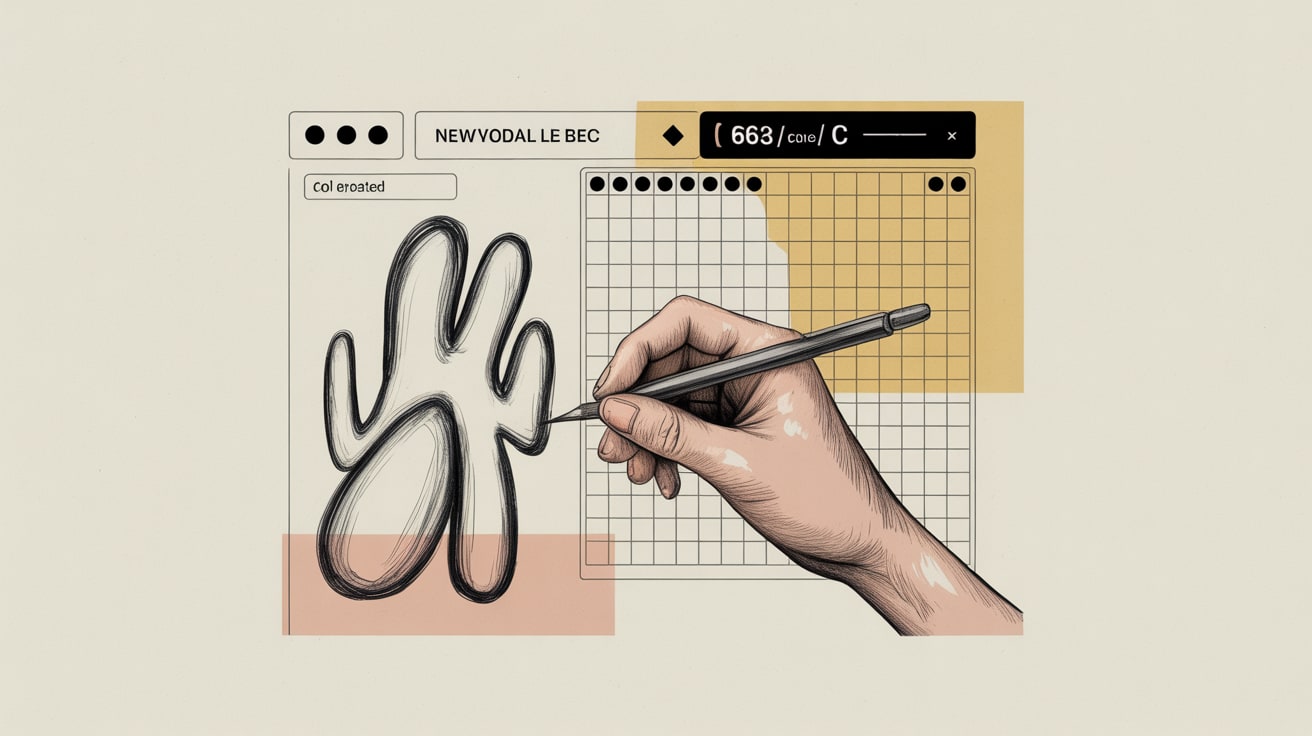
Human-First UI Design: When Imperfection Outperforms Polish
Why intentional imperfection in UI design drives stronger engagement — and how SEA brands can build human-touch systems that scale commercially.
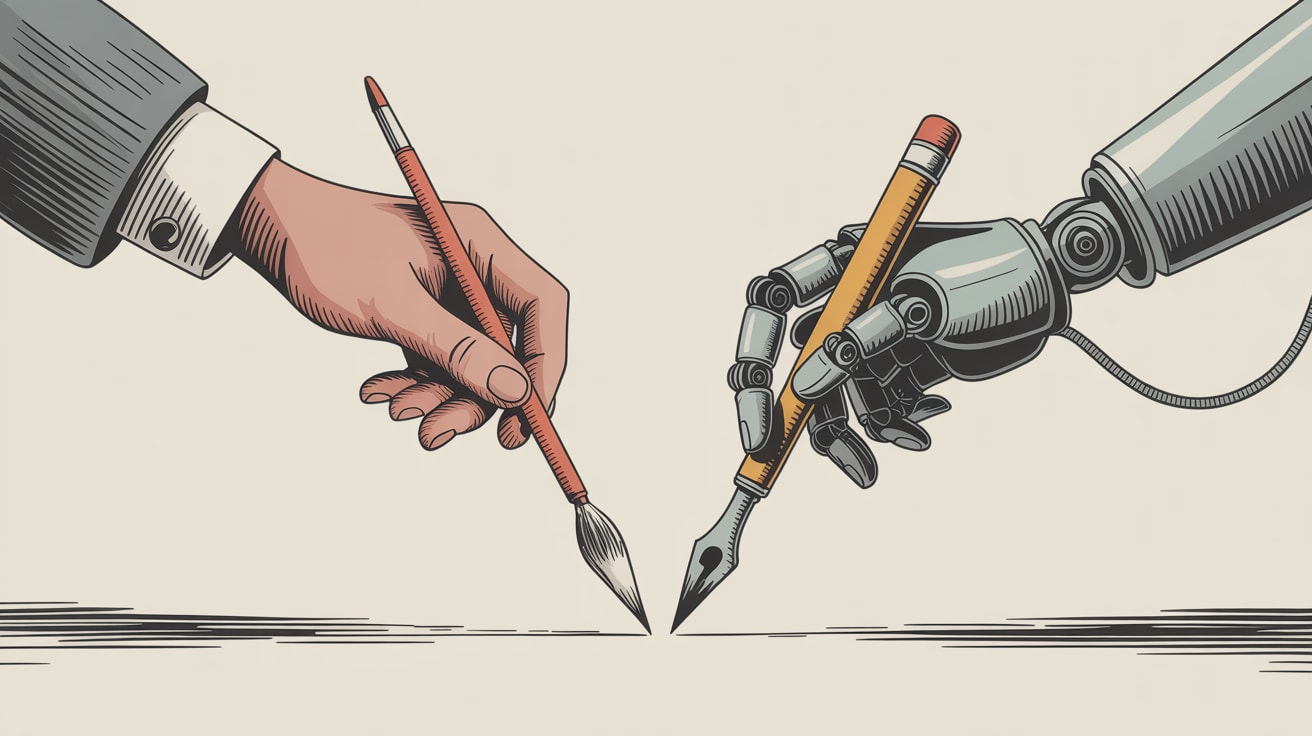
Why Human-Feeling Design Still Wins in an AI-First World
AI tools are everywhere in design workflows. Here's why the brands winning on UX aren't automating humanity out — they're engineering it back in.

When AI Builds the Interface, Who Owns the Intent?
AI can generate wireframes in minutes — but human strategy still determines whether those interfaces actually work. Here's what that shift means for digital teams.